Two Planes Down, Zero Casualties, No Name
Eighteen Indian ships carrying 485 seafarers are still trapped in the Persian Gulf. The Indian Navy is escorting tankers through waters where drones set ships ablaze last week. The war that determines whether your cooking gas arrives next month just crossed four new lines in 72 hours.
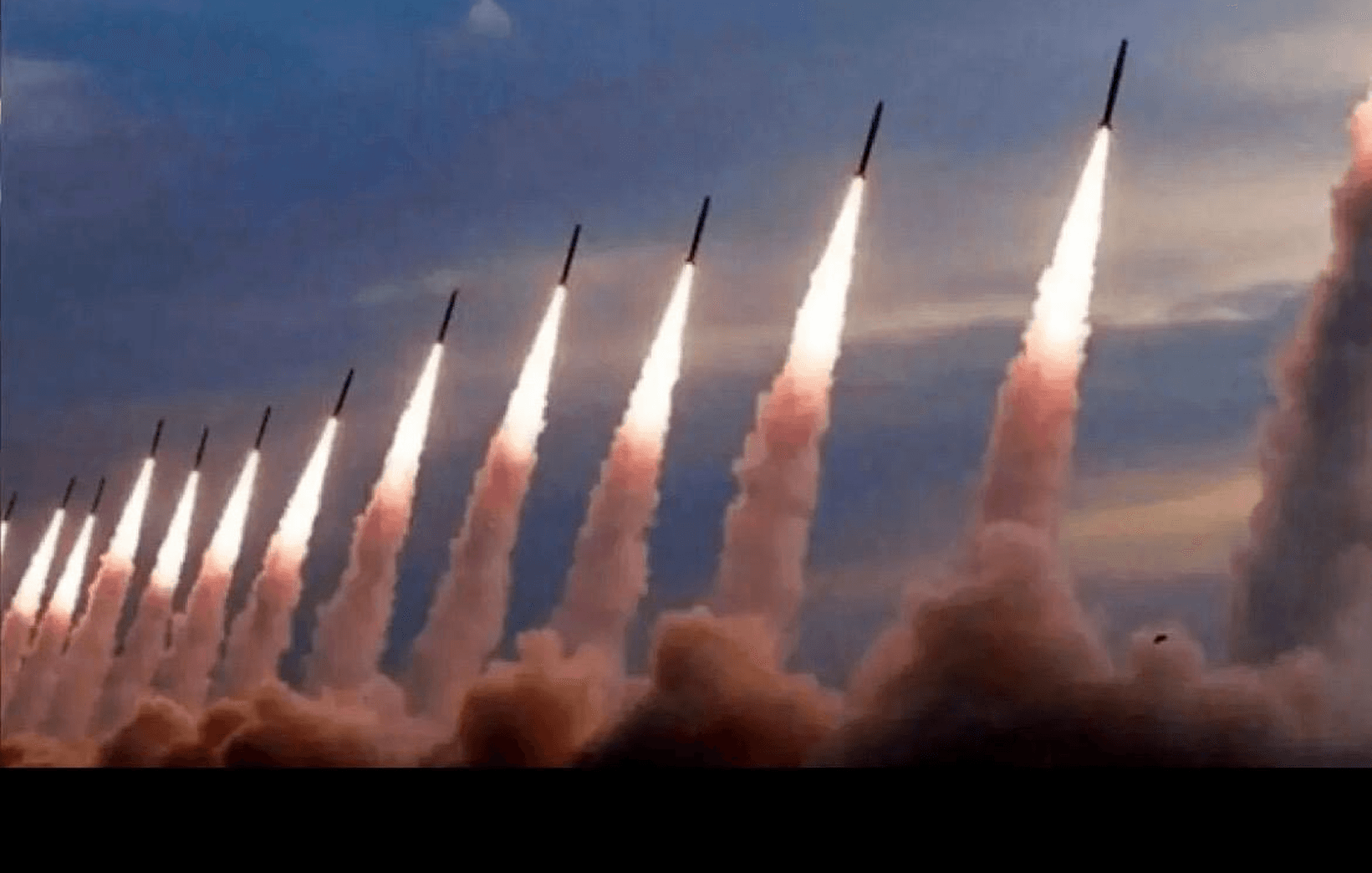
The Shoot-Down and the Rescue That Doesn’t Add Up
On Friday April 3, an F-15E Strike Eagle was shot down over Iran — the first U.S. warplane lost since Operation Epic Fury began. This happened two days after Trump told the nation that Iran has “no anti-aircraft equipment” and its “radar is 100% annihilated.”
The pilot was rescued hours after ejection. The weapons systems officer — identified by Trump only as “a highly respected Colonel,” no name, no photo, no unit — was missing for two days. What followed was either a remarkable special operations feat or a narrative that raises more questions than it answers.
According to Time, the wounded colonel hiked up a 7,000-foot mountain ridgeline in the Zagros and hid in a crevice. Air & Space Forces Magazine reported that MQ-9 Reaper drones “protected the crew member by striking Iranian military-aged males believed to be a threat who got within three kilometres” of his position — a kill zone in mountains where the BBC verified footage of nomadic tribesmen firing rifles at U.S. helicopters. The CIA launched a deception campaign inside Iran and facilitated what Axios called an “unconventional assisted recovery” — contacting Iranian civilians willing to shelter the American.
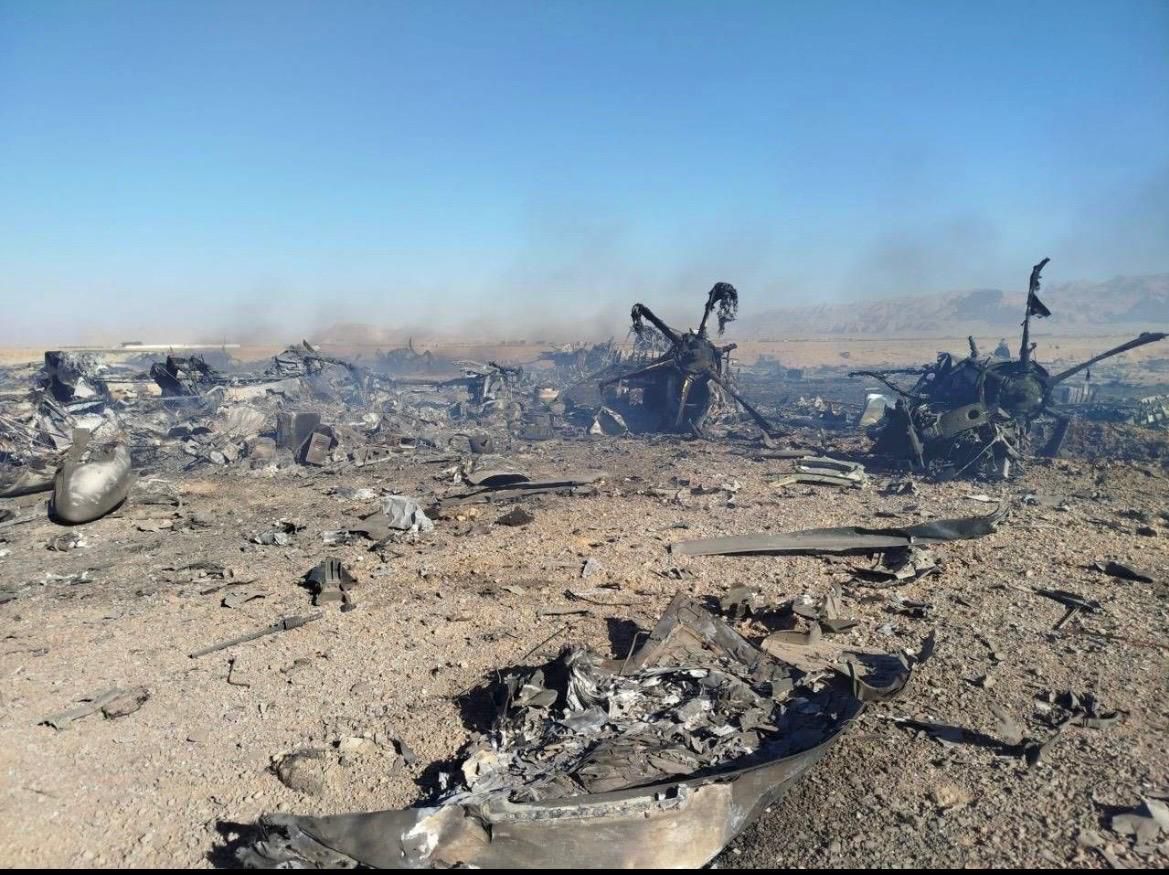
US Lost Several Military Assets In Its Efforts To Rescue An Officer Behind Enemy Lines
To extract him, U.S. forces seized an abandoned airfield 200 miles inside Iran near Isfahan, landing two MC-130J Commando IIs and deploying Night Stalker helicopters. Both MC-130s became unable to depart and were destroyed in place. Videos from Kohgiluyeh County show heavy clashes and missile fire. Trump claimed zero American casualties, “not even wounded.” The colonel remains anonymous. The IRGC broadcast wreckage on state television. A separate A-10 Warthog was also lost the same day.
Trump concluded this proved “overwhelming Air Dominance” — on the day Iranian air defences shot his planes out of the sky.
The Bridge
On Thursday, the B1 bridge between Tehran and Karaj was destroyed. Thirteen killed. Trump posted a video of the collapse, then told Axios why: “They said they will meet us in five days. So I said, ‘Why five days?’ I felt they were not being serious. So I attacked the bridge.” A president publicly linking a strike on civilian infrastructure to the pace of negotiations. Over 100 law experts called such strikes potential war crimes.
The Gulf Burns — and India Feels It
On Sunday, the IRGC declared the “first phase” of its retaliation for the Mahshahr attack. It hit petrochemical facilities in the UAE, Bahrain, and Kuwait. Abu Dhabi’s Borouge suspended operations. Two Kuwaiti desalination plants were damaged. The UAE reported 79 Iranian projectiles on Saturday alone.
For India, this is not a distant spectacle. Nine million Indians live and work in Gulf states that are now absorbing daily drone and missile strikes. Over 600,000 Indian citizens have returned home since the conflict began, according to the MEA. Eighteen Indian-flagged vessels with 485 seafarers remain stuck in the western Persian Gulf.
India’s LPG imports — 60 per cent of the cooking gas that 300 million Indian households depend on — come through the Strait of Hormuz. The Indian Navy has deployed two warship task forces under Operation Urja Suraksha, escorting tankers like the Shivalik, Nanda Devi, Jag Vasant, and Pine Gas through waters the IRGC controls. The Pine Gas waited three weeks at anchor before its crew agreed to transit a route the IRGC suggested — close to Larak Island, believed to be mined. Iran’s embassy in India tweeted on April 1: “Our Indian friends are in safe hands, no worries.” The winking emoji did not reassure the 485 seafarers still waiting.
The Satellite Blackout
On Saturday, Planet Labs announced it will “indefinitely withhold” all satellite imagery of Iran and the conflict region, retroactive to March 9, at the Trump administration’s request. Bloomberg and CNBC confirmed the order went to all U.S. satellite providers. This eliminates independent verification of US administration claims. The timing:
announced the same day the rescue narrative — un-named colonel, self-destroyed aircraft, zero casualties — dominated the news. Without commercial satellite imagery,
there is no independent way to verify what happened at the Isfahan airfield, what the Reaper drones hit in the Zagros, or what the B1 bridge strike actually destroyed. The
U.S. is now fighting a war in which the only images available are the ones it chooses to release.
VK Shashikumar is a former roving foreign affairs and war correspondent.