‘So I Attacked the Bridge’
Trump attacked a bridge because Iran wanted five days to meet. Then he called them “crazy bastards” and gave them time until Tuesday. Iran called him “desperate” and hit Gulf refineries. Both sides are negotiating through Pakistan
The Lede That Got Buried
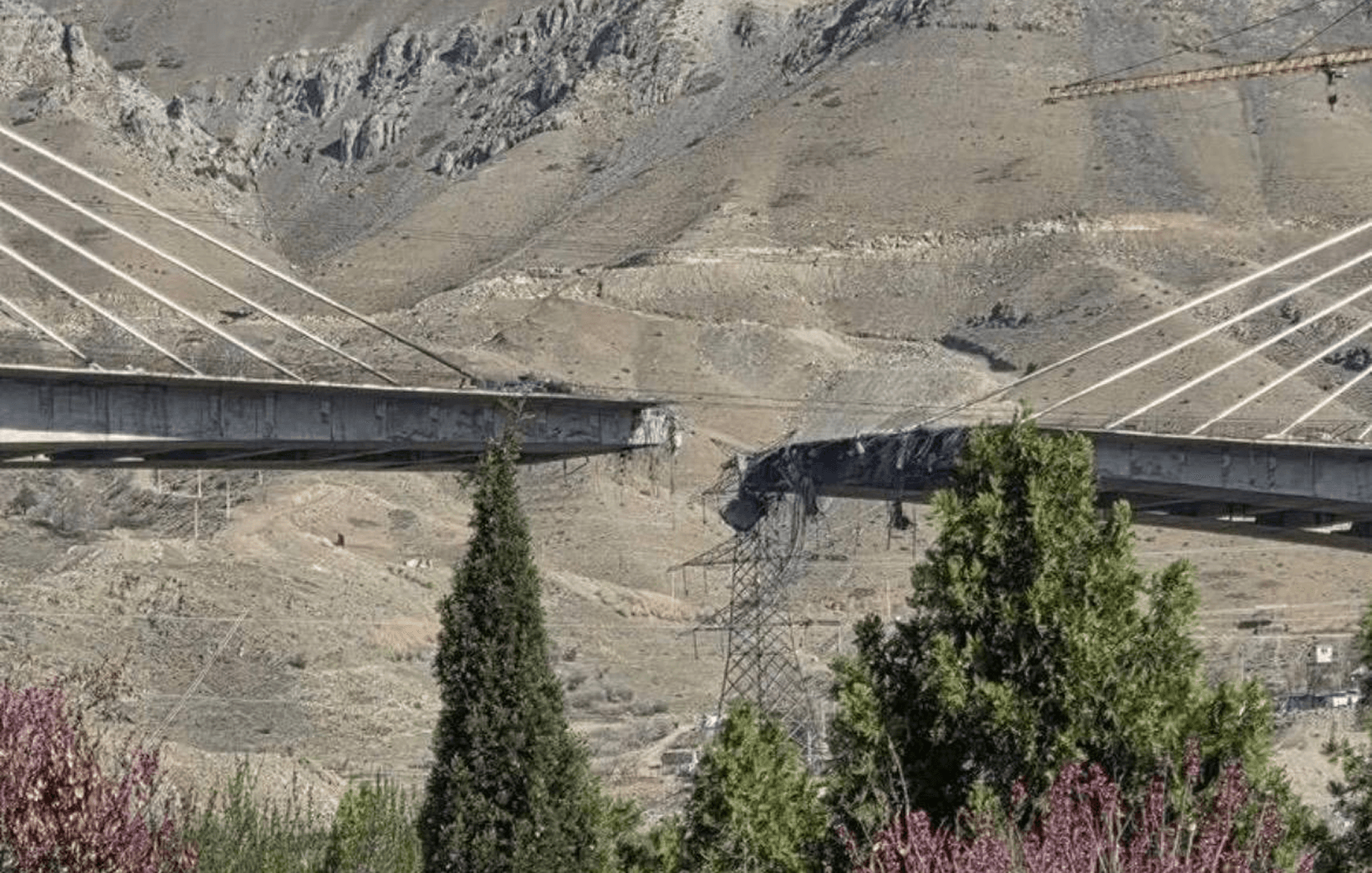
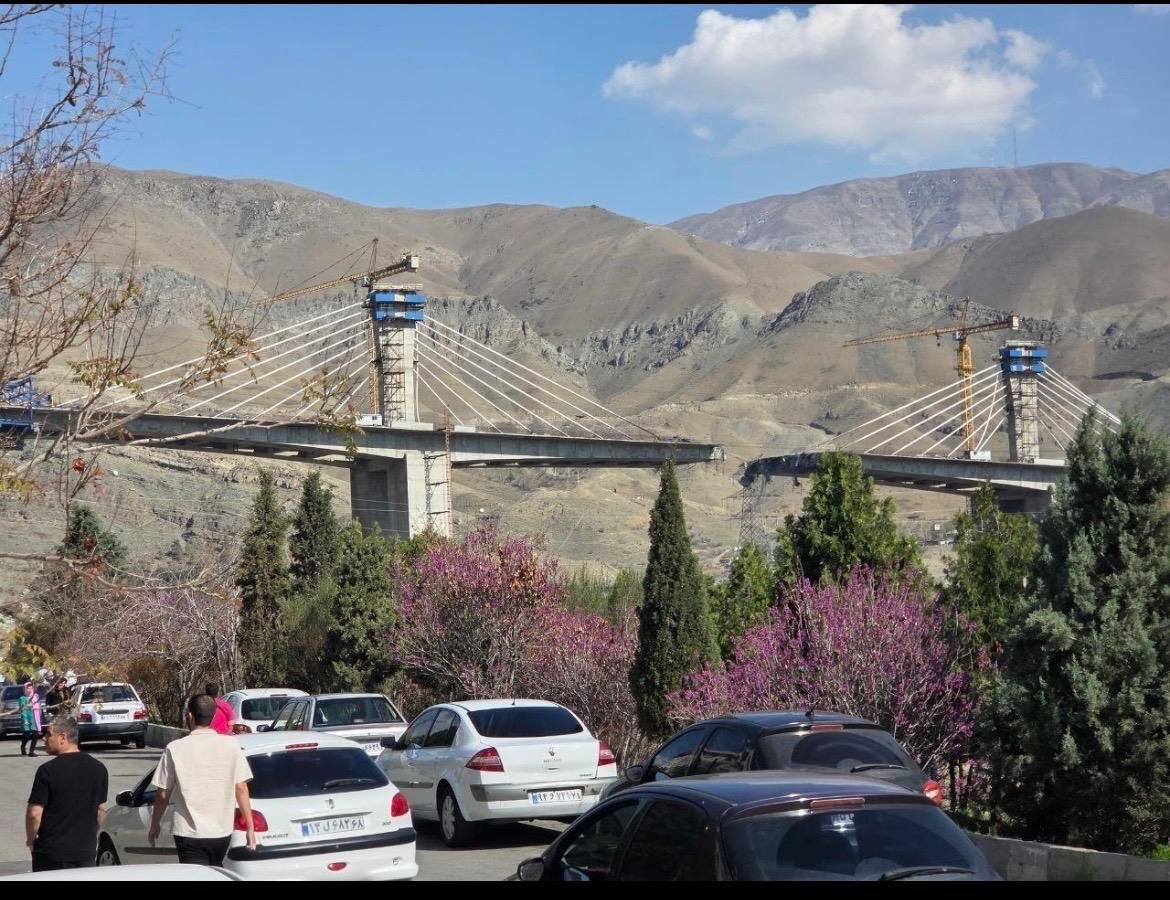
In an 8-minute phone call with Axios on Sunday, Trump explained why he bombed the B1 bridge: “Several days ago the U.S. and Iran were close to an agreement to hold direct negotiations. But then they said they will meet us in five days. So I said, ‘Why five days?’ I felt they were not being serious. So I attacked the bridge.” Thirteen people died on that bridge. This is a U.S. president linking a specific airstrike on civilian infrastructure to his impatience with the pace of diplomacy. It received less coverage than his profanity.
The Escalation Ladder
The profanity is worth tracking because it maps the negotiation cycle. March 26: “Talks going very well.” April 1: “Their radar is 100% annihilated” — two days before Iranian air defences shot down an F-15. April 3: video of bridge collapse, “Bridges next, then Electric Power Plants!” April 4: “All Hell will reign down.” April 5 morning: “Tuesday will be Power Plant Day, and Bridge Day. Open the fuckin’ Strait, you crazy bastards. Praise be to Allah.” April 5 afternoon: told Fox News “good chance of a deal Monday,” then posted a revised deadline — Tuesday, 8pm ET. Persian sources confirmed: 3:30 AM Tuesday, 18 Farvardin, Tehran time.
The Axios interview revealed the three decision-makers: Witkoff, Vance, and Kushner. A middle east media outlet captured a quote absent from English coverage: “One day in ‘Trump time’ means an eternity.” The pattern is not incoherence. It is a negotiation style that depends on the adversary being unable to tell whether the threat is real. The problem: Iran’s leadership, 37 days into sustained bombardment, may have concluded it has already absorbed the worst.
How the Rest of the World Reads This
The Persian-language framing is different. The word “استیصال” (istisāl — desperation) headlines multiple Iranian outlets. IRGC Navy commander Tangsiri drew a legal distinction Western reporting collapses: “The Strait has not been militarily closed — it is merely being controlled.” Iran’s position is not blockade but “security regulation.” And it is regulating selectively: Araghchi told Japan’s Kyodo News that Japanese ships can pass “if they coordinate.” Iran’s ambassador to South Korea said Seoul is “non-hostile.” India, China, Russia, Pakistan, and Iraq are all exempt.
The most consequential finding from non-Western sources: the Wall Street Journal, surfaced via Euronews Persian, reported that Trump’s team has concluded reopening Hormuz militarily would exceed his four-to-six-week timeline. The plan: achieve primary objectives, then pressure allies to lead on Hormuz. Brookings’ Suzanne Maloney called this “incredible and irresponsible.” If true, “Power Plant Day” is leverage, not plan. But the 82nd Airborne deployment and USS Tripoli entering the region point the other way.
India’s Impossible Position
India is listed among Iran’s “friendly nations” exempt from Hormuz restrictions. Prime Minister Modi spoke with President Pezeshkian on March 12 to secure passage for Indian ships. The Indian Navy’s Operation Urja Suraksha is escorting tankers through waters the IRGC controls — with Iran’s permission, not against it. India co-sponsored the UN resolution condemning Iran’s retaliatory strikes on Gulf states. India is simultaneously accepting Iranian protection for its tankers and supporting the international coalition pressuring Iran to stop. Delhi’s diplomacy is a tightrope: maintain the Iranian channel that keeps LPG flowing, without antagonising Washington or Abu Dhabi, where millions of Indians live and work.
Iran’s Twin-Track Response and the Information War
Iran’s military called Trump’s ultimatum “helpless, nervous, unbalanced and stupid.” Araghchi warned that radioactive fallout from further Bushehr attacks would hit “regional capitals, not Tehran” — using geography to turn Gulf allies into restraint advocates. And yet Araghchi simultaneously signalled willingness to talk. Both sides are escalating and negotiating because in this war, escalation is the negotiation.
Indirect talks run through Pakistan’s Asim Munir. Turkey’s Fidan held calls with Witkoff and Kushner directly. A China-Pakistan five-point proposal exists. The mediation hit a “dead end” according to the WSJ. Turkey and Egypt are seeking Doha or Istanbul as alternatives. The Oman safe passage talks — two weeks running — remain the most viable off-ramp. But diplomacy requires information, and information is now contested at every level: Trump’s rescue narrative sits alongside Planet Labs’ satellite blackout, which eliminates independent verification. Iran’s counter-narrative is equally self-serving. The public has no neutral vantage point.
VK Shashikumar is a former roving foreign affairs and war correspondent.